Maintaining product integrity for perishable goods and pharmaceuticals requires more than just fast transit; it demands a seamless cold chain. Cold chain logistics involves temperature controlled storage and transportation to preserve products from origin to consumption. When properly implemented, cold chain systems reduce spoilage, extend shelf life and improve food safety. For food and pharmaceuticals, any break in the cold chain can render goods unsafe or ineffective.
Why cold chain logistics is vital for food
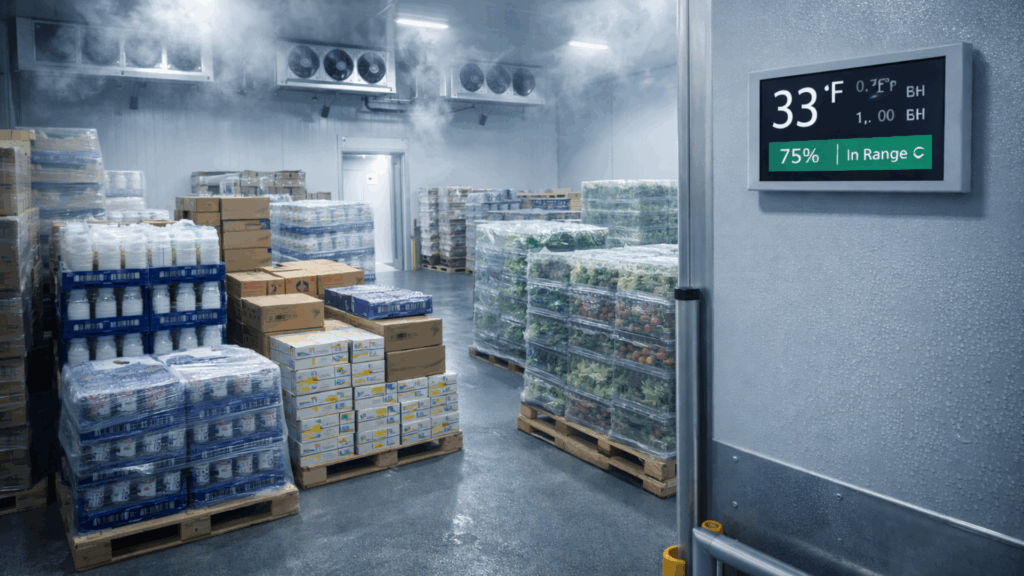
A significant proportion of food is lost due to inadequate storage and transportation. Approximately 30–40 % of the U.S. food supply is wasted, much of it because of poor refrigeration. Food stored around 70 °F—even for short periods—spoils much faster than food kept consistently near 33 °F. Cold chain logistics keeps food products at steady low temperatures throughout the supply chain, preserving nutritional value and taste while meeting food safety regulations. Technologies like temperaturesensing labels alert workers when products exceed safe temperature ranges, helping identify gaps in cold storage and prevent spoilage
Why cold chain logistics is vital for pharmaceuticals
Many medications, vaccines and biologics require strict temperature control throughout their entire life cycle. If products are exposed to temperatures outside their required range, they can lose potency and become ineffective or even harmful. A watertight pharmaceutical cold chain ensures that drugs remain at specified temperatures during manufacturing, storage and transport. This includes using refrigerated vehicles, insulated packaging and continuous temperature monitoring. Regulatory agencies like the FDA, EMA and WHO impose stringent guidelines for storing, transporting and handling temperaturesensitive pharmaceuticals, and compliance protects patients while reducing the risk of recalls.
Cold chain best practices
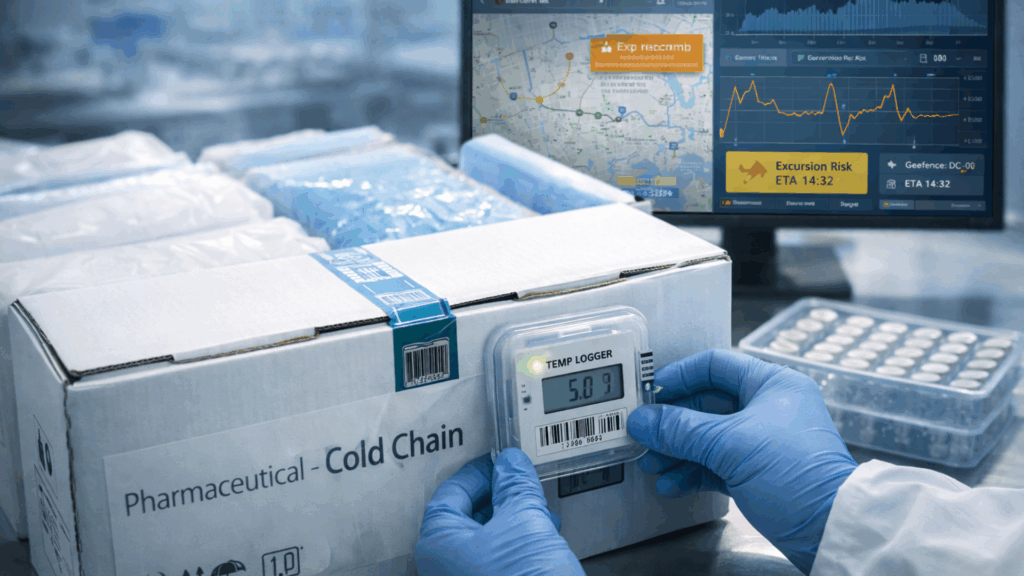
- Use specialized equipment: Refrigerated trucks, reefers and insulated containers maintain consistent temperatures. For ultra-cold shipments, dry ice or liquid nitrogen may be needed.
- Implement realtime monitoring: GPSbased data loggers and temperature sensors provide continuous visibility and alert teams to deviations.
- Train personnel: Ensure that warehouse staff, drivers and handlers understand proper loading and unloading procedures to prevent temperature excursions.
- Use temperaturesensing labels and RFID: Labels that change color when temperatures exceed limits provide quick visual cues, while RFID enables efficient tracking even in cold conditions (1 – 2)
- Plan routes carefully: Minimize dwell times and ensure rapid transfers between refrigerated environments.
How Go To Truckers protects your temperature-sensitive freight
Go To Truckers offers a fleet of refrigerated trucks and access to a nationwide network of reefer carriers. We use insulated packaging, gel packs or dry ice as needed and provide realtime temperature and location monitoring. All personnel are trained in cold chain best practices and we adhere to Good Distribution Practice standards. Our proactive route planning and contingency protocols reduce the risk of temperature excursions. Whether you’re shipping produce, dairy, pharmaceuticals or biologics, Go To Truckers ensures your products maintain their integrity from pickup to delivery.
No Comments yet!