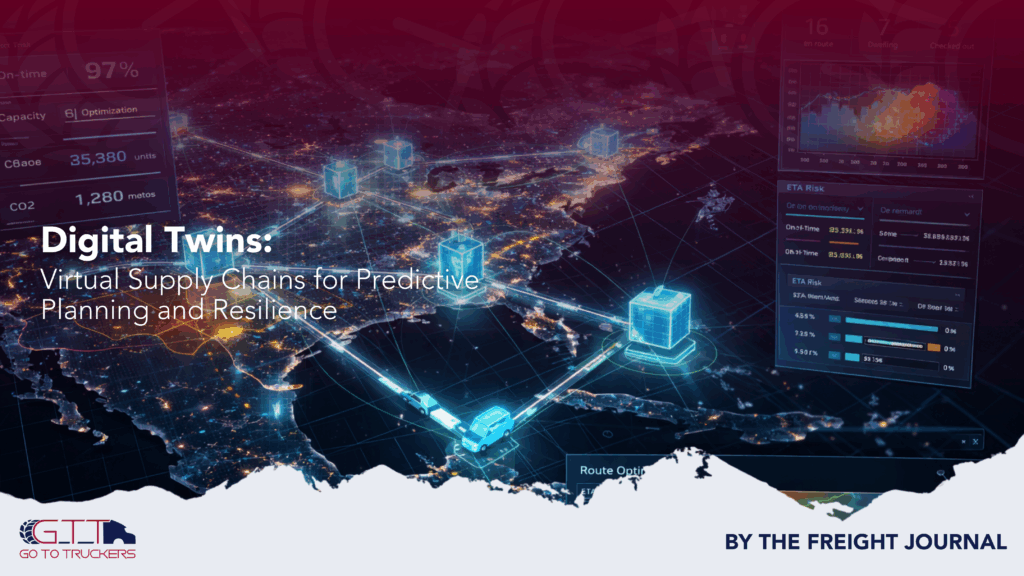
Digital twins are transforming logistics by creating virtual replicas of real-world supply chains. These models mirror physical systems—warehouses, vehicles, inventory flows—and feed on real-time data from sensors, GPS, and operations. As explained in Inbound Logistics’ breakdown of digital twins in logistics, this technology helps logistics managers visualize, monitor, and simulate operations without disrupting daily business. In practice, digital twins combine IoT sensors, cloud computing, and AI to process live inputs from trucks and facilities, supporting smarter, faster, and more accurate decisions.
How digital twins improve supply chains
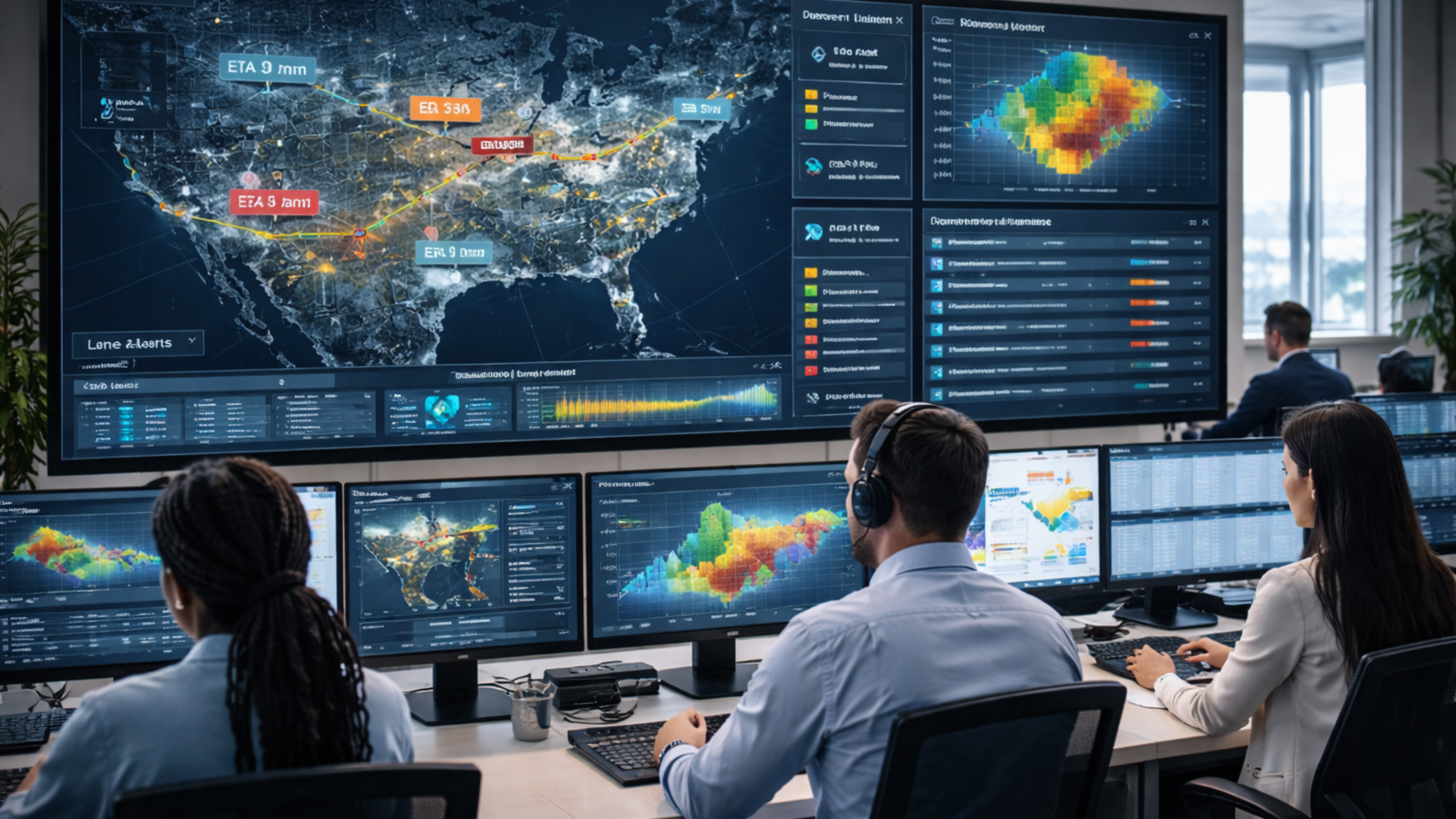
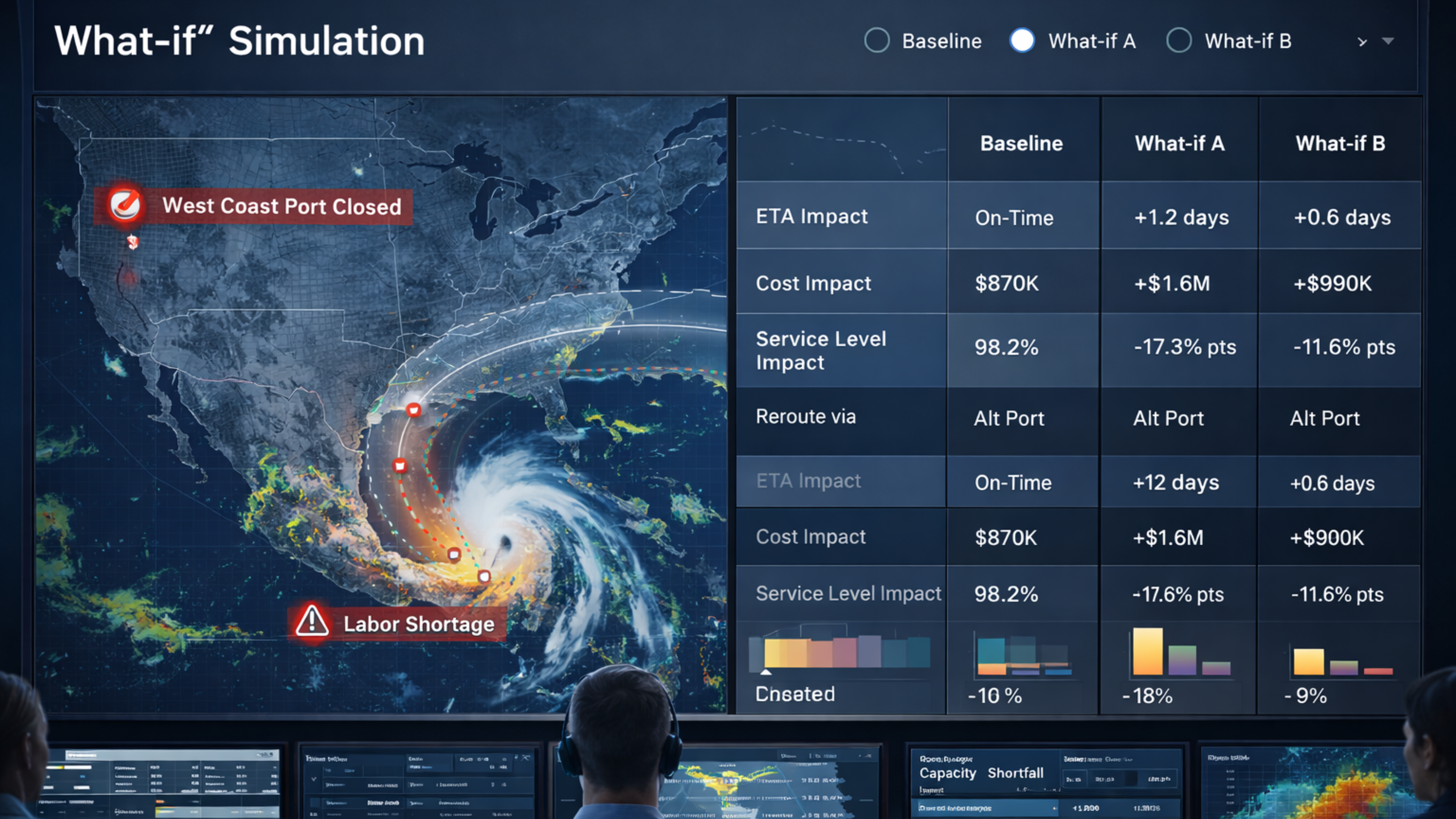
Digital twins deliver benefits across several logistics functions. They improve real-time visibility into operations, enabling teams to detect slowdowns, reroute shipments, and increase end-to-end transparency. They also help model traffic patterns and fuel usage to optimize delivery routes and networks. In addition, early warnings powered by AI strengthen predictive maintenance, reducing downtime and equipment failures. Digital twins can streamline warehouse layouts, reduce congestion, and support more accurate inventory levels. They also improve demand forecasting by using historical data and market signals to anticipate peaks and adjust capacity. Finally, digital twins enable “what-if” simulations—such as port closures, labor shortages, or weather disruptions—to build contingency plans and mitigate risk (Inbound Logistics).
Beyond that, Maersk highlights how digital twins replicate warehouses and cargo systems, enabling real-time monitoring, predictive maintenance, and better decision-making. Maersk also notes that the logistics digital twin market is projected to grow rapidly—reaching an estimated $125–150 billion by 2032 (Maersk). With this technology, companies can identify bottlenecks, optimize dispatch planning, improve asset utilization, and run scenario planning at scale to coordinate better across stakeholders (Maersk).
Considerations for adoption
Implementing digital twins requires investment in IoT sensors, strong data infrastructure, and integration with existing ERP or WMS systems. According to Inbound Logistics’ overview of adoption requirements, companies also need skilled analysts and logistics professionals to interpret the insights effectively. It’s equally important to address cybersecurity and data privacy considerations, especially as more operations become connected and data-driven. Defining clear KPIs helps measure improvements in speed, cost savings, and service performance over time (Inbound Logistics).
Bringing digital twins into day-to-day operations
Digital twins deliver the most value when they’re connected to real workflows—not just dashboards. For logistics teams, that means using live data to test scenarios, improve routing, and make faster decisions when conditions change.
At Go To Truckers, we apply digital twin principles to mirror key parts of a customer’s network—transportation flows, capacity signals, and operational constraints—using real-time inputs from telematics and facility data where available. This allows our teams to model “what-if” scenarios (weather disruptions, capacity shifts, or service-level constraints), evaluate alternatives quickly, and respond before small issues become costly delays. The result is more proactive planning, fewer empty miles, and stronger resilience across the network.
No Comments yet!