Logistics managers are constantly seeking efficiencies, reliability, and cost savings in their supply chains. A critical partner in achieving these goals is the freight broker. However, selecting the right freight broker is more than just comparing rates; it requires a strategic assessment of capabilities, network strength, and regulatory compliance. This is especially true for managers overseeing complex shipping lanes, such as those within or extending into the Southwest USA.
The Southwest region, encompassing states like Arizona, New Mexico, Texas, and parts of California, presents unique logistical challenges, including long-haul routes, cross-border complexities, and temperature-sensitive freight requirements, particularly during summer months. Choosing a broker with specific regional expertise can transform your operations from reactive to proactive.
Why Broker Selection is Paramount
The relationship with your freight broker directly impacts your company’s performance metrics:
- On-Time Performance: Go To Truckers’ freight brokers manage capacity fluctuations and contingency planning, ensuring deadlines are met.
- Cost Control: Go To Truckers’ freight brokers with strong carrier relationships can negotiate favorable rates and identify multimodal options to save on transportation spend.
- Risk Management: Compliance, insurance, and safety are non-negotiable. Go To Truckers’ freight brokers meticulously vet carriers to minimize liability.
Essential Criteria for Selection
When evaluating potential partners, logistics managers should focus on the following key areas:
1. Regional and Lane Expertise
For the Southwest USA, specific knowledge is invaluable. Go To Truckers’ freight brokers demonstrate:
- Carrier Network Density: Do they have a robust, reliable network of carriers specifically covering major hubs like Dallas, Phoenix, and Los Angeles, as well as less-traveled corridors?
- Border Logistics Experience: If your freight involves Mexico, the broker must be fluent in customs documentation, cross-border regulations, and drayage operations.
- Local Market Knowledge: Understanding seasonal capacity constraints (e.g., harvest times, peak holiday shipping) and the availability of specialized equipment (e.g., reefers in hot weather) is critical.
2. Technology and Visibility
In modern logistics, visibility is key. The ideal broker uses technology to provide:
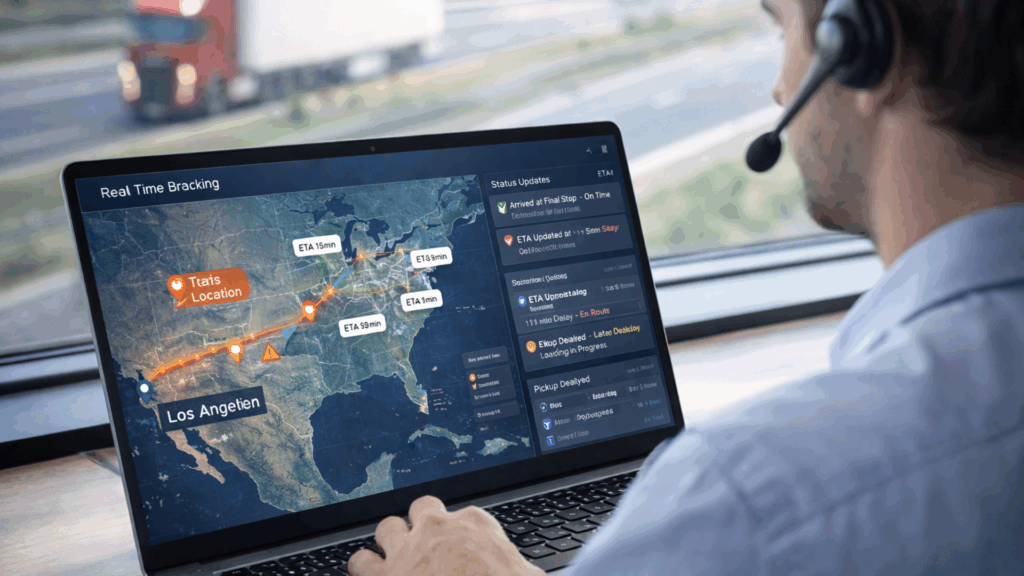
- Real-Time Tracking: Integration with your systems or a dedicated portal offering 24/7, mile-by-mile tracking.
- Data Analytics: Providing insights into lane performance, carrier reliability, and opportunities for optimization.
- Digital Documentation: Handling rate confirmations, bills of lading (BOLs), and invoices electronically.
3. Financial Stability and Reputation
A broker’s financial health is a direct measure of their ability to pay carriers promptly, which, in turn, ensures their access to reliable capacity.
- Bonding and Insurance: Verify they hold the required Federal Motor Carrier Safety Administration (FMCSA) bond and have appropriate insurance coverage.
- Industry References: Solicit references from other logistics managers, especially those with similar freight characteristics and lanes. A good broker will readily provide carrier and shipper references.
4. Regulatory Compliance and Safety
Safety should be a top priority. Go To Truckers’ freight brokers maintain strict vetting processes:
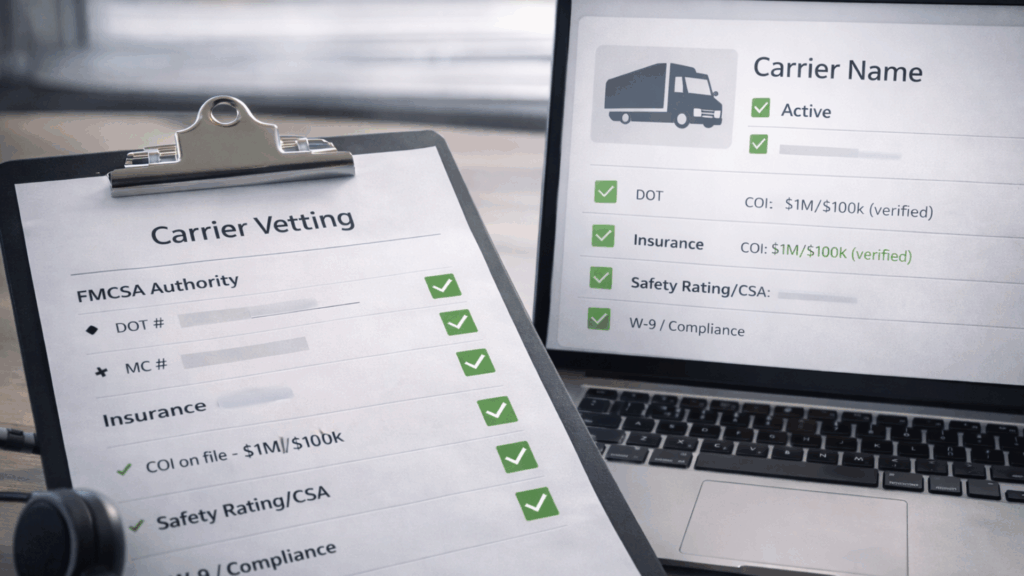
- Carrier Vetting: Ensure they use due diligence in checking carriers’ operating authority, insurance status, and safety ratings (CSA scores).
- Contractual Clarity: Review the contract to understand liability provisions, claims processes, and service level agreements (SLAs).
A Structured Evaluation Process
Logistics managers should use a structured approach to selection:
First, determine your core needs, focusing on factors like volume, freight type, and primary service lanes. Then, distribute a Request for Proposal (RFP) to a shortlist of qualified brokers.
Moving forward
Choosing a freight broker is really about choosing a long-term operating partner—one that strengthens your team, improves reliability, and reduces risk. For Southwest U.S. corridors, regional expertise paired with modern visibility tools and consistent compliance discipline is often the difference between stable execution and constant exceptions.
So if your goal is to reduce surprises while improving performance, the next step is a broker conversation focused on your lanes and your standards—not just your rate. That’s exactly where we come in.
At Go To Truckers, we combine regional lane knowledge, proactive visibility, and rigorous carrier vetting to help logistics managers run more predictable, cost-effective freight operations—especially in high-pressure corridors like the Southwest.
No Comments yet!