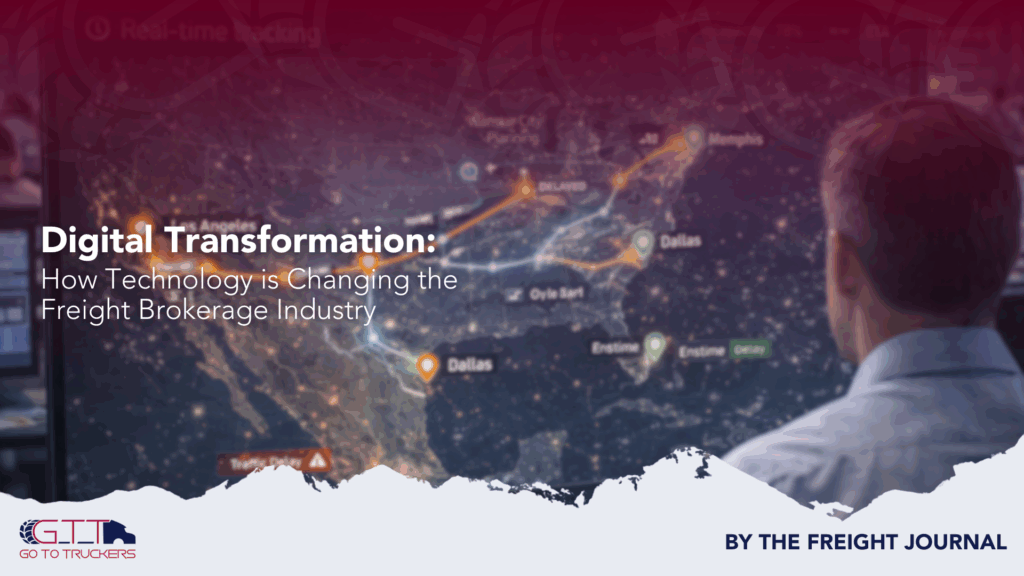
For logistics managers operating in today’s increasingly complex and fast-paced supply chain environment, the role of a freight broker has never been more critical. Far from the traditional image of a person with a phone book and a Rolodex, the modern freight broker is now an essential technology-driven partner, acting as the vital link that ensures seamless and efficient cargo movement. This transformation is not incremental; it is a profound digital shift that is reshaping the entire brokerage industry, offering unprecedented benefits in terms of visibility, speed, and cost management.
The necessity of the modern freight broker stems from the persistent fragmentation of the trucking industry. While you, as a logistics manager, are focused on your core business and long-term carrier relationships, you invariably encounter needs that exceed your contracted capacity, whether due to seasonal spikes, unexpected disruptions, or specialized requirements. This is where Go To Truckers’ digitized freight broker steps in, not just as a capacity finder, but as an optimization engine.
The Evolution of the Broker: From Middleman to Tech Partner
The most significant change in the freight brokerage industry is its embrace of technology. Go To Truckers’ brokers are leveraging sophisticated platforms that integrate with carriers, shippers, and warehouse management systems (WMS). These digital tools provide an elevated level of service that old-school methods simply cannot match.
Real-Time Visibility and Tracking
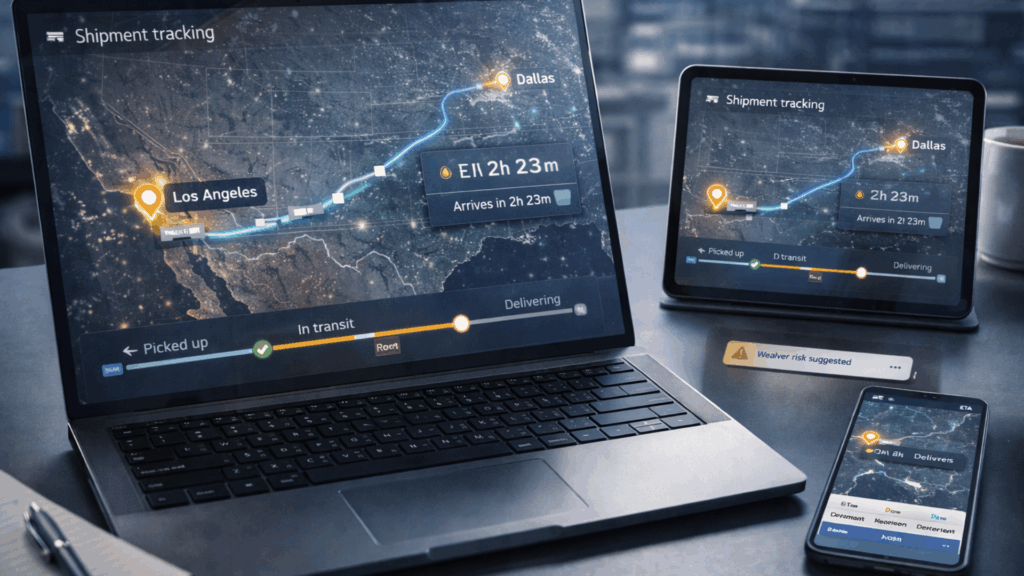
One of the most valuable assets a digitized broker offers is real-time, end-to-end visibility. Legacy systems often relied on manual check calls, leading to communication delays and “blind spots.” Today’s Go To Truckers’ brokerage platforms utilize API integrations and GPS data from Electronic Logging Devices (ELDs) to provide granular, minute-by-minute tracking.
For you, this means a significant reduction in operational friction. Instead of fielding calls from concerned stakeholders, you can access a centralized dashboard, confirming the exact location and estimated time of arrival (ETA) of every shipment. This transparency is crucial for mitigating risks and managing inventory effectively.
Automated Carrier Matching and Procurement
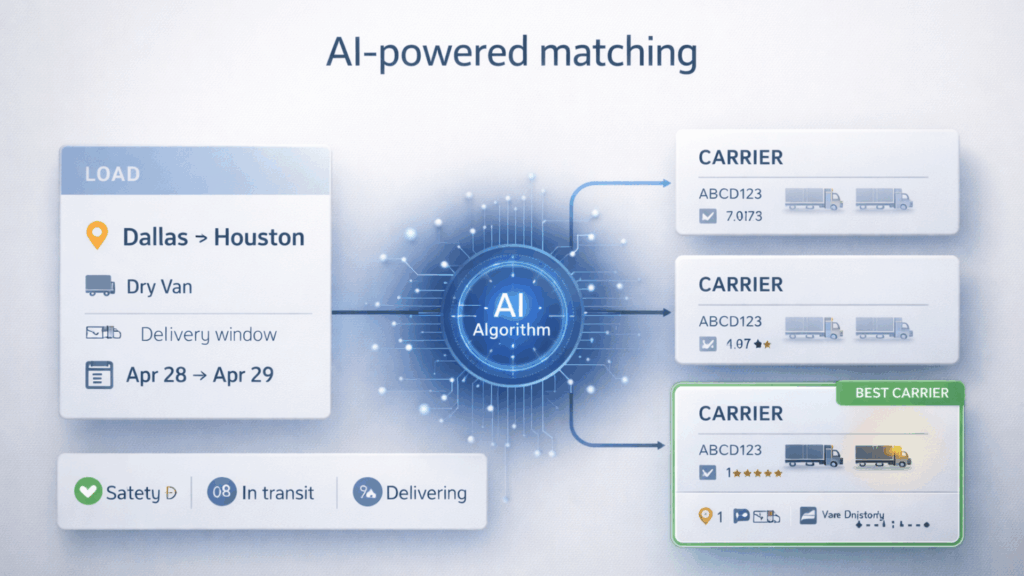
The days of brokers manually calling down a list of potential carriers are quickly fading. Advanced brokerage systems now employ artificial intelligence (AI) and machine learning (ML) algorithms to instantly match loads with the most suitable carriers based on dozens of criteria, including:
- Lane history and performance data: Ensuring the carrier has a proven track record on the required route.
- Safety ratings and compliance: Automatically verifying essential safety and insurance documents.
- Equipment type and availability: Pinpointing the right vehicle for the cargo.
This automation significantly speeds up the procurement cycle, often reducing booking times from hours to minutes, securing capacity faster, and ensuring competitive pricing by accessing a broader, vetted network.
Driving Efficiency and Data-Driven Decisions
A tech-forward freight broker moves beyond transactional service to become a source of valuable market intelligence. Go To Truckers’ aggregate vast amounts of data, from spot market rates to lane volume trends, and use predictive analytics to offer strategic guidance.
Dynamic Pricing and Cost Control
Logistics managers know that freight rates are constantly fluctuating. Go To Truckers’ brokers utilize proprietary algorithms to analyze current market conditions, historical data, and even weather patterns to offer dynamic, accurate pricing. This data-driven approach helps you budget more effectively and identify optimal times to secure capacity. Furthermore, digitized platforms often lead to faster payment cycles for carriers, which, in turn, helps brokers secure better rates and prioritize your loads.
Enhanced Compliance and Security
Technology platforms automate the laborious task of carrier vetting. Go To Truckers’ brokers continuously monitor insurance certificates, operating authorities, and safety scores. This level of automated due diligence reduces your liability risk and ensures that your cargo is only handled by compliant and reliable partners. The ability to reserve capacity in specific locations like the Southwest US and the US-Mexico border also adds flexibility.
Conclusion
Digital transformation isn’t a trend in freight brokerage—it’s the new baseline for speed, visibility, and control. When brokers use real-time tracking, automated carrier matching, and data-driven pricing, logistics teams gain fewer blind spots, faster procurement, and more predictable outcomes.
That’s exactly where Go To Truckers comes in. We pair a vetted carrier network with modern brokerage technology to help you secure capacity faster, track freight with confidence, and make smarter decisions when the market shifts—so your operation stays efficient, resilient, and ready for what’s next.
No Comments yet!