The Southwestern United States, which spans states like California, Arizona, New Mexico, and Texas, is a logistical nexus. It serves as a vital artery for domestic commerce and, crucially, as the primary gateway for cross-border trade with Mexico. For logistics managers navigating this complex and expansive region, achieving optimal route efficiency is paramount to controlling costs, meeting delivery schedules, and maintaining the quality of sensitive cargo. In this high-stakes environment, the relationship with a knowledgeable freight broker transcends a mere transactional partnership; it becomes a critical asset for maximizing efficiency.
The sheer scale and unique challenges of the Southwest, from vast, sparsely populated areas to dense, urban congestion, demand sophisticated routing strategies. This is especially true given the region’s increasing importance in the transport of refrigerated goods (reefer) and produce.
Sensitive Cargo and the US-Mexico border
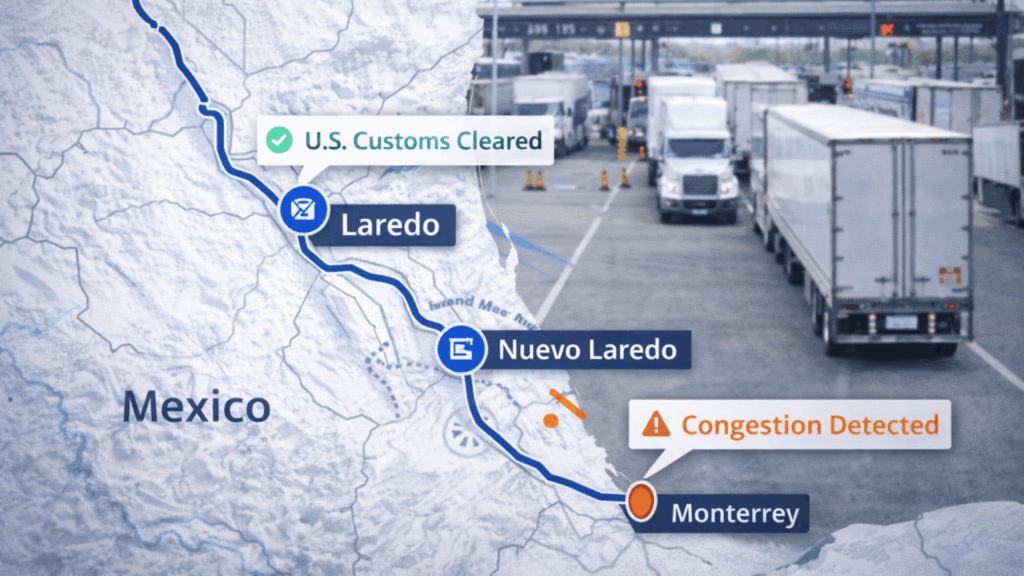
The USA-Mexico border area presents distinct logistical hurdles that dramatically affect route planning.
- Customs and Inspection Delays: Border crossings are inherently unpredictable. The time spent awaiting inspection or customs clearance can quickly derail even the most precisely planned route. A freight broker with a strong presence in this corridor possesses up-to-the-minute knowledge of congestion, preferred crossing points, and regulatory changes that can shave hours off transit times.
- Capacity and Compliance: Finding reliable, compliant carriers for cross-border moves requires specialized knowledge. Go To Truckers’ brokers can tap into a verified network of carriers experienced in both US and Mexican regulations, ensuring your load, particularly sensitive produce, is handled by vetted professionals who understand the necessity of cold chain integrity.
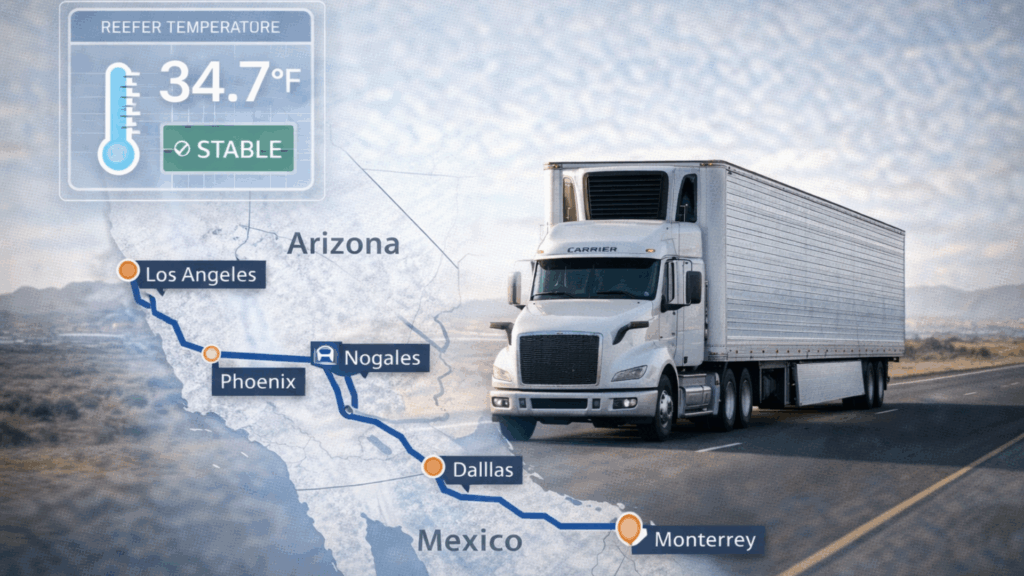
- Reefer and Produce Routing Imperatives: Every minute counts, especially when transporting perishable goods. Optimal routing for reefer loads in the Southwest must account for factors like:
- Proximity to cold storage facilities.
- Minimizing idle time to reduce fuel consumption and wear on refrigeration units.
- Selecting routes with fewer stops or known bottlenecks that could compromise temperature control.
The Freight Broker as Your Route Optimization Specialist
A proficient freight broker serves as your control tower for Southwestern logistics, offering expertise that in-house teams often lack.
1. Real-Time Market Intelligence and Capacity Sourcing
The availability and pricing of reliable capacity fluctuate rapidly in the Southwest, particularly around major hubs like Los Angeles, Phoenix, and Laredo. Go To Truckers’ broker’s immediate access to current market conditions allows for:
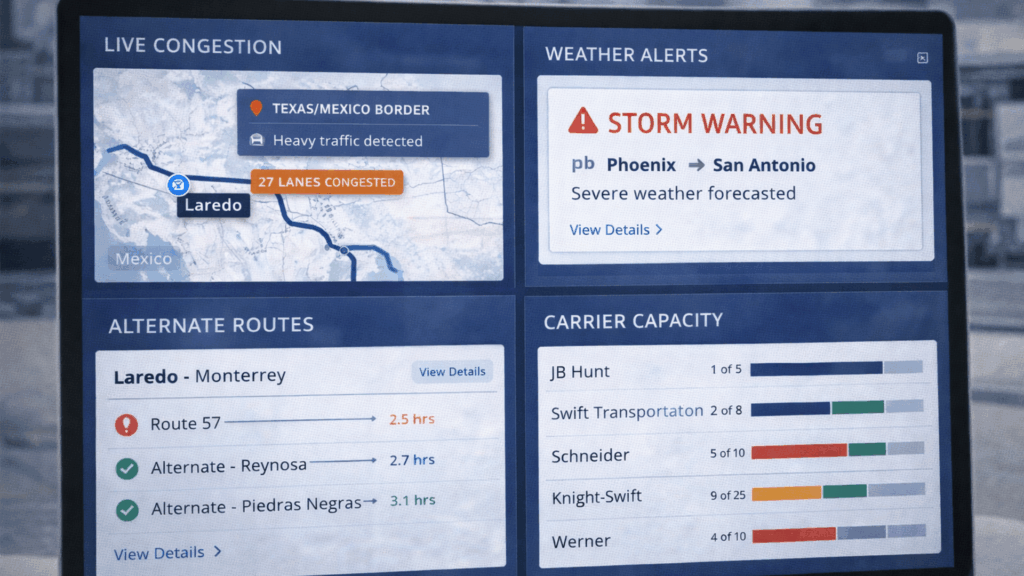
- Quick Pivot Capabilities: If a preferred lane becomes oversaturated or an unexpected event (like severe weather or a border closure) impacts a route, brokers should be able to instantly find alternative carriers and paths.
- Backhaul Optimization: Effective brokers excel at identifying “hidden” backhaul opportunities, which drastically reduces the empty miles and overall cost associated with a route.
2. Utilizing Technology for Predictive Routing
Go To Truckers’ freight brokers leverage sophisticated Transportation Management Systems (TMS) and data analytics that go beyond standard GPS mapping. They use this technology to:
- Predictive Congestion Modeling: By analyzing historical data and current events, brokers can predict which routes will be heavily congested on a given day or time, allowing your shipment to bypass known trouble spots.
- Weather and Hazard Avoidance: Especially vital for the wide-open, climate-diverse Southwest, the best brokers can adjust routes dynamically to avoid severe desert heat, mountain snow, or high winds, ensuring driver safety and cargo protection.
3. Comprehensive Coverage Beyond the Border
While the border is critical, the Southwestern US is a high-volume corridor in its own right. Go To Truckers’ brokers are essential for optimizing:
- Port Drayage in California: Navigating the complex and often-congested routes around Southern California’s ports requires brokers who specialize in drayage and specific appointment scheduling.
- Intra-regional Moves: For distribution within the Southwest, brokers can consolidate smaller loads (LTL) onto optimized multi-stop routes, delivering significant savings over traditional full truckload (FTL) movements.
Wrapping up
In the intensely competitive landscape of Southwestern logistics, relying solely on static, pre-planned routes is a recipe for inefficiency and delay. For logistics managers, maximizing efficiency, especially with time- and temperature-sensitive produce and refrigerated shipments moving across the USA-Mexico border requires strategic support. Your Go To Truckers’ broker is the indispensable partner in this endeavor. They provide the real-time data, established relationships, and specialized regional knowledge necessary to transform complex, volatile Southwestern lanes into optimized, profitable routes.
To ensure your supply chain is resilient and cost-effective, maintain open lines of communication regarding your inventory needs and anticipated shipping volumes with your broker.
If you would like to schedule a consultation regarding your current logistics strategy, press here, so you can get a call for free consultation with one of our GTT agents.
No Comments yet!