For logistics managers operating within the complex ecosystem of North American freight, the challenge of anticipating market volatility is a constant battle. The traditional methods of relying on historical data, seasonal patterns, and human intuition are no longer sufficient to maintain a competitive edge. The industry is reaching a tipping point where success hinges on the ability to look forward, not backward. This is where predictive analytics, powered by Artificial Intelligence (AI) and machine learning, is proving to be a game-changer.
Predictive analytics is transforming raw, siloed data into actionable intelligence. By integrating and analyzing vast datasets—including fuel costs, weather patterns, economic indicators, historical shipping volumes, and even social media sentiment—AI models can generate remarkably accurate forecasts of supply, demand, and pricing within specific freight lanes. For logistics managers, this shift moves decision-making from a reactive scramble to a proactive strategic advantage.
A Focus on Southwest Produce Shipping
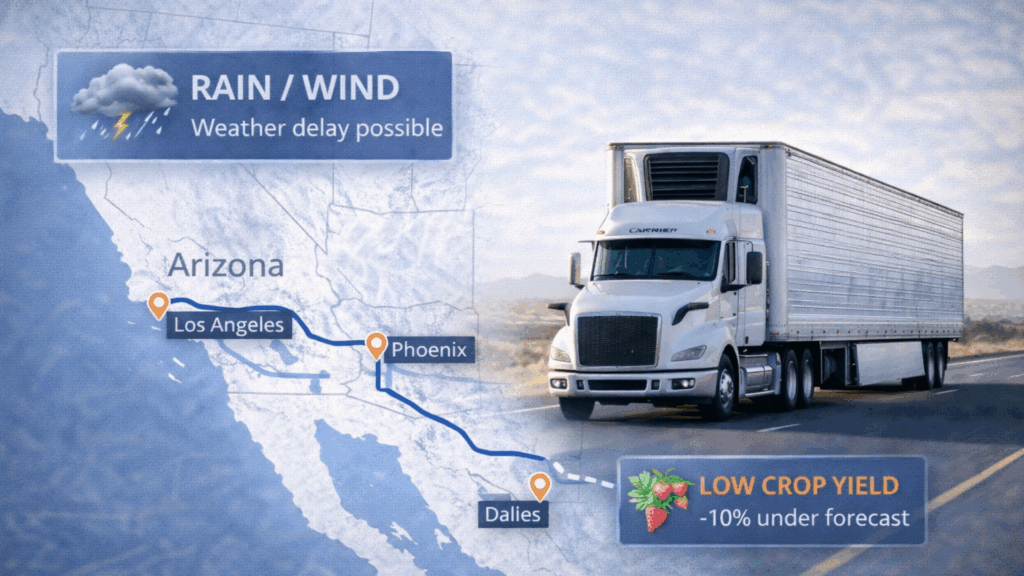
The impact of this technology is perhaps most profound in the highly sensitive segment of refrigerated (reefer) transport, particularly for produce originating in the Southwest U.S. This market segment is characterized by extreme seasonality, perishable cargo, and dependency on precise timing.
A sudden change in temperature in Arizona or California, for instance, can accelerate or delay a harvest, causing an immediate spike or collapse in local freight demand. Similarly, unexpected border delays or shifts in consumer purchasing habits can drastically alter the required reefer capacity out of major hubs. Without predictive analytics, logistics managers are often caught flat-footed, forced to pay premium spot rates, or risk spoilage due to insufficient capacity.
AI models, however, can digest real-time data on crop yields, monitor weather forecasts, and correlate these with historical rate fluctuations to predict capacity shortages or surpluses weeks in advance. This foresight allows managers to secure capacity at optimal rates and to plan delivery schedules with greater confidence, significantly reducing costs and mitigating risk of rejected shipments.
The Indispensable Role of the Freight Broker
In this increasingly complex, data-driven market, the role of Go To Truckers is fundamentally elevated. Go To Truckers’ freight brokers, acting as the crucial connective tissue between shippers and carriers, are the key leverage point for predictive analytics.
Why Go To Truckers’ Brokers are Essential:
- Access to Proprietary Data: Go To Truckers’ brokers process thousands of transactional data points daily, providing AI models with a deep, proprietary view of carrier networks, equipment availability, and real-time pricing that no single shipper or carrier can match.
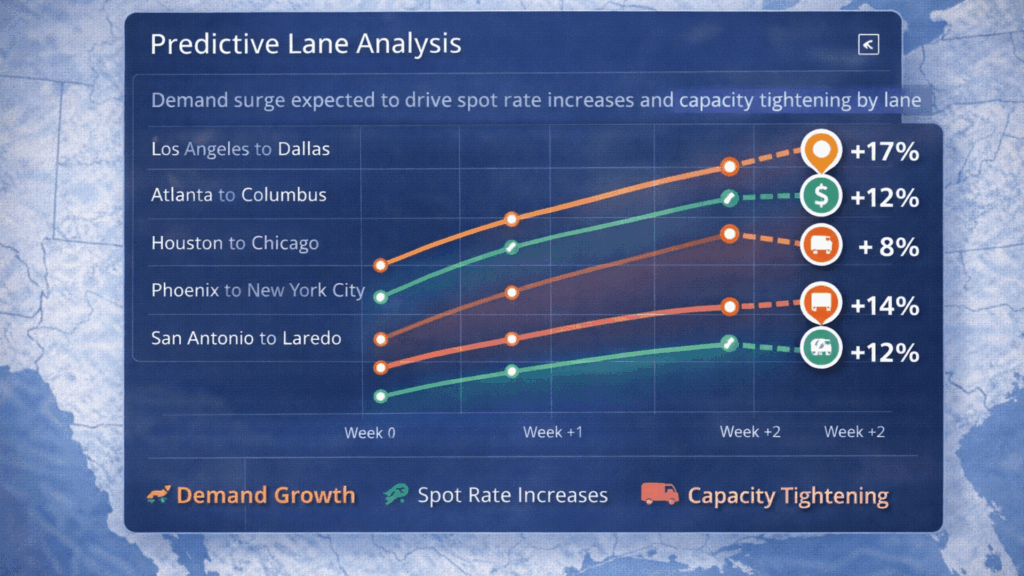
- Capacity Optimization: Go To Truckers’ brokers have access to predictive modeling that can anticipate the shift in demand from, say, Laredo to Memphis, and proactively move capacity into place. This is invaluable for logistics managers who need assurance of lift when seasonality hits peak.
- Market Interpretation: Predictive models are powerful, but they still require human oversight. Go To Truckers’ brokers interpret the AI’s forecasts, applying essential context regarding driver shortages, regulatory changes, and local market nuances that algorithms cannot fully capture. They translate the data into a strategic recommendation: “The model predicts a 15% rate increase next week, so we recommend booking 80% of your Texas loads now.”
For logistics managers looking to future-proof their supply chains, the strategic partnership with a technologically advanced freight broker from Go To Truckers should be non-negotiable. They offer more than just a truck; we offer the sophisticated intelligence necessary to navigate the volatility of the North American market, particularly in time-sensitive sectors like Southwest produce shipping. By leaning on the AI-enhanced insights of Go To Truckers’ brokers, logistics managers can shift their focus from tactical firefighting to long-term strategic advantage. This synergy of human expertise and machine intelligence is the future of freight.
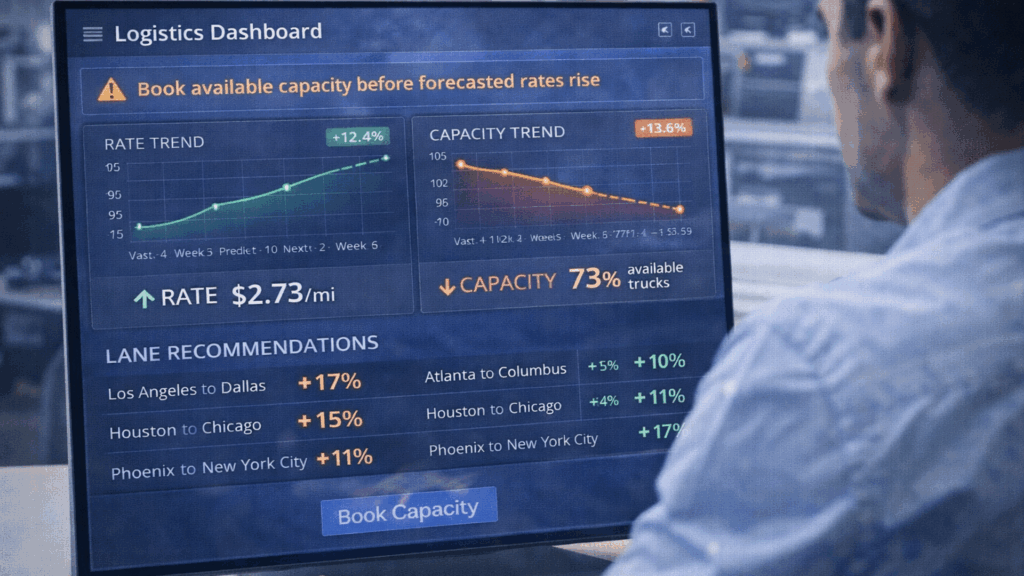
Let’s book an appointment so we can offer further details on how predictive analytics can reduce logistics spend by up to 10% through optimized procurement strategies.
No Comments yet!