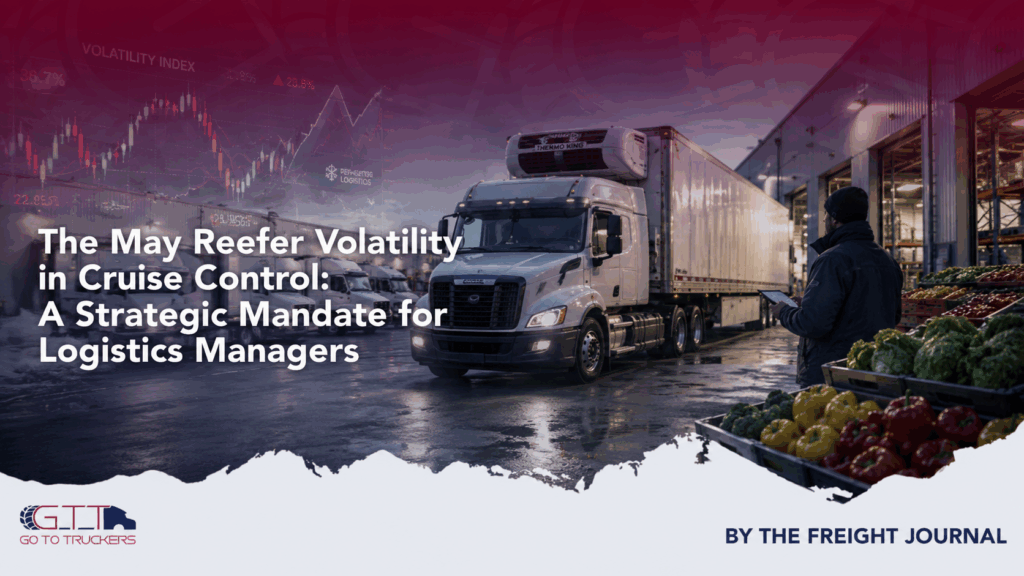
The reefer sector is currently entering a critical and challenging period, largely dictated by the annual surge of produce season. For your logistics needs, this isn’t merely a seasonal shift; it is a convergence of economic pressures that demand high-level business acumen and a pivot toward strategic partnerships. Industry leaders like Bison Transport have already issued warnings that the combination of produce season, high fuel prices, and tighter capacity is generating significant volatility across both reefer and agricultural freight markets.
This volatility is further evidenced by recent DAT reports, which indicate that spot reefer rates remain significantly higher than they were at this same time last year. In this environment, viewing freight brokers as simple transactional vendors is a tactical error that can lead to budget overruns and service failures. Instead, the modern freight broker must be embraced as a vital, strategic extension of the logistics team.
The Business Acumen of Market Intelligence
As a logistics manager, the daily demands of managing complex supply chains and optimizing routes can sometimes be overwhelming. A strategic freight broker will alleviate this by providing deep market knowledge and up-to-the-minute intelligence that a single shipper cannot easily replicate. This business acumen will allow you to move beyond reactive decision-making.
By leveraging broker expertise, you can gain granular insights into lane pricing and predictive analytics, which will help you become a more efficient and managing your logistics. This intelligence is crucial for benchmarking current carrier rates and identifying cost-saving opportunities even when the wider market is trending upward. A broker acting as a strategic advisor can help you decide when to leverage the spot market versus when to secure contract rates, transforming the transportation department from a cost center into a value-generating unit.
Unlocking Capacity Through Strategic Partnerships
As capacity tightens during the peak produce crunch, the ability to source reliable transport becomes a competitive differentiator. Strategic brokers maintain extensive networks of vetted carriers, ranging from large fleets to specialized regional operators. This network provides essential flexibility, allowing you to source specific equipment—such as temperature-controlled units or reefers—exactly when and where they are needed.
Furthermore, a strategic partnership reduces administrative overhead. Brokers handle time-consuming tasks such as carrier vetting, compliance checks, and insurance verification, allowing logistics managers to focus on long-term supply chain optimization rather than getting bogged down in clerical bottlenecks.

Building Resilience in a Volatile Market
Supply chain resilience is no longer an optional luxury; it is an operational necessity. Geopolitical events, local disruptions, and seasonal spikes like the current produce season can grind operations to a halt if not properly managed. A strategic broker relationship serves as a powerful contingency plan. If a primary carrier fails to meet a commitment, a strategic partner can quickly tap into a reserve network to minimize delays and maintain customer satisfaction.
To successfully navigate this period of high rates and limited capacity, logistics managers must prioritize transparency and communication. By sharing long-term volume forecasts and key performance indicators (KPIs), you encourage your Go To Truckers’ broker to invest in your success. This collaboration fosters a true strategic alliance, ensuring your organization is prepared not just for the current produce season, but for whatever challenges the 2026 market presents next. For more information on optimizing your reefer strategy, contact: Luis Montes Business Development ✉️l.montes@gototruckers.com
📞312-428-9542 🌐 https://gototruckers.com/
No Comments yet!