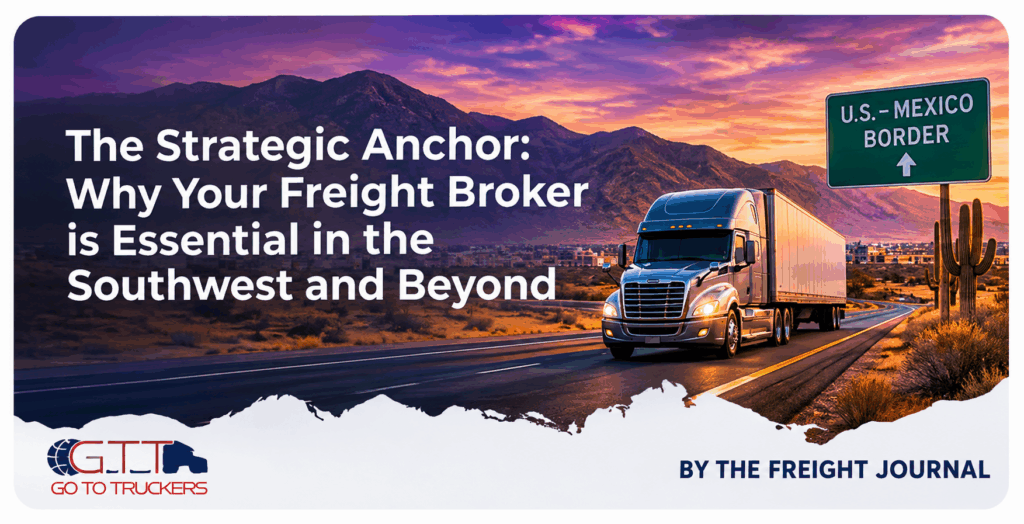
A Southwest freight broker helps logistics managers navigate border congestion, extreme heat, and capacity shortages. From California’s ports to Texas border hubs, transportation disruptions can increase costs and delay deliveries. Experienced freight brokers support better carrier coordination, route planning, and supply chain efficiency.
How a Southwest Freight Broker Manages USA–Mexico Border Logistics
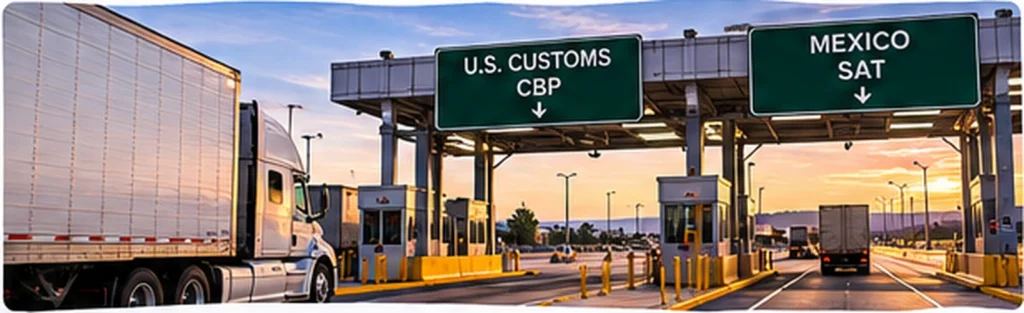
Cross-border freight requires careful coordination. Shipments may involve drayage, cross-docking, customs clearance, and multiple carrier handoffs. As a result, even minor delays can affect the entire transportation schedule.
A specialized freight broker coordinates the physical movement of goods. This includes arranging transportation, managing carrier transitions, and reducing unnecessary waiting times.
However, a freight broker does not replace a licensed customs broker.
Customs brokers handle customs transactions within their authorized scope. These may include entry filings, tariff classifications, and documentation related to USMCA eligibility. Importers also retain their own legal compliance responsibilities.
In Mexico, customs procedures may involve specific authorization documents, including a poder or power of attorney where applicable.
Furthermore, security programs such as CTPAT and FAST can support eligible cross-border operations. Access to expedited lanes depends on program requirements, shipment eligibility, and port availability.
By coordinating these different participants, a Southwest freight broker helps maintain communication and reduce avoidable disruptions.
The Produce Pipeline and Cold Chain Integrity
Protecting Temperature-Sensitive Cargo
The Southwest plays an important role in transporting fresh produce and other perishable goods.
However, extreme temperatures create additional risks. A delayed shipment can compromise product quality, increase spoilage, and generate unexpected costs.
Therefore, choosing the right transportation equipment is essential.
A freight broker can help identify carriers with maintained refrigerated trailers and appropriate temperature-monitoring capabilities.
Temperature requirements depend on the commodity and shipping conditions. In addition, the FDA’s Food Safety Modernization Act (FSMA) establishes sanitary transportation requirements for covered operations.
These requirements can include equipment suitability, temperature controls, and communication between shippers and carriers.
Securing Refrigerated Capacity
During peak harvest seasons in California and Arizona, refrigerated freight demand can increase.
Consequently, finding available reefer capacity may become more difficult.
An experienced Southwest freight broker can leverage carrier relationships to identify suitable equipment and coordinate time-sensitive shipments.
Fuel prices also influence transportation costs. Instead of relying on a fixed diesel-price assumption, logistics managers should evaluate current market conditions when planning freight budgets.
The goal is to protect product quality while maintaining dependable transportation.
Route Optimization and Efficiency
The Southwest combines long desert highways, busy metropolitan areas, and major cross-border freight corridors.
Therefore, efficient transportation planning requires more than selecting the shortest route.
A freight broker can help logistics managers evaluate traffic patterns, weather conditions, carrier availability, and delivery requirements.
In addition, brokers may identify backhaul opportunities that reduce empty miles.
For suitable shipments, consolidated or multi-stop transportation can also provide alternatives to dedicated full truckload movements.
However, the best option depends on cargo size, handling requirements, delivery windows, and total transportation costs.
By evaluating these factors, shippers can make more informed routing decisions.
A Southwest Freight Broker as a Strategic Partner
A Southwest freight broker provides value beyond finding available trucks.
Regional knowledge, carrier relationships, and shipment coordination can help businesses respond to changing transportation conditions.
For example, a broker may help arrange alternative capacity after a border delay. They may also coordinate refrigerated transportation during seasonal demand increases.
Meanwhile, internal logistics teams can concentrate on broader operational priorities.
The most effective approach combines regional expertise, clear communication, and reliable carrier coordination.
Ultimately, this partnership can help reduce avoidable delays, control transportation costs, and support a more adaptable supply chain.
Build a Stronger Southwest Logistics Strategy
Border complexity, extreme weather, and capacity fluctuations are part of the Southwest freight market.
However, these challenges do not have to define your transportation performance.
Go To Truckers can help you explore a logistics strategy built around your shipping needs.
Ready to strengthen your transportation planning?
Schedule a strategy session with Go To Truckers to discuss your freight requirements, operational challenges, and potential solutions.our logistics strategy today: reach out to our team, select a date for an initial call, and let us partner with you as your dedicated freight broker.
Luis Montes Business Development ✉️l.montes@gototruckers.com / 📞312-428-9542 / https://gototruckers.com/
No Comments yet!