Freight security strategies are essential as cargo theft rises across the U.S. From identity fraud to strategic theft, logistics teams need stronger prevention, visibility, and collaboration. Cargo theft isn’t just a property crime; it threatens supply chains, inflates consumer prices and funds criminal networks.
In recent years the threat has escalated: cargo theft losses increased by 27 % in 2024 and are predicted to rise another 22 % in 2025. The National Insurance Crime Bureau (NICB) estimates annual losses of up to $35 billion. Highvalue goods such as electronics, food and beverage, pharmaceuticals and apparel are prime targets, with California, Texas, Illinois, Florida and Washington being the most impacted states. Holiday weekends and the fourth quarter shipping season are particularly vulnerable, and the average value of a single theft exceeds $202,000.
Freight Security Strategies to Prevent Cargo Theft
Understand the schemes thieves use
These freight security strategies start with knowing the threat: straight theft, strategictheft, and cyber-enabled fraud.
A key step in preventing cargo theft is understanding how it happens. Common schemes include straight theft, pilferage, and strategic theft—where criminals pose as legitimate carriers using fraudulent documents to fool shippers. Cyberenabled theft involves hacking logistics data to reroute shipments, while hijacking and ransom schemes involve taking control of vehicles or holding cargo for ransom. These crimes are often committed by sophisticated criminal organizations that operate across borders and exploit supply chain vulnerabilities.
Collaboration is essential
Fighting cargo theft requires coordination among shippers, carriers, insurers and law enforcement. NICB leaders emphasize that collaboration between the private and public sectors is critical. Stolen goods often fund broader criminal enterprises, so combating cargo theft is a matter of national security. Shippers should work with reputable carriers and brokers, participate in industry forums and share information about theft incidents to identify patterns and deter criminals.
Implement robust prevention measures
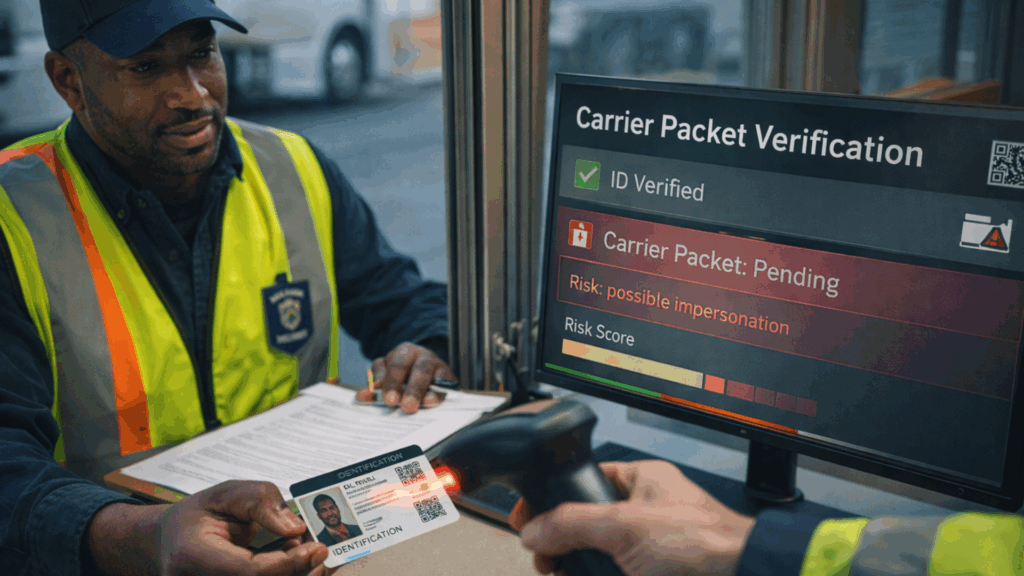
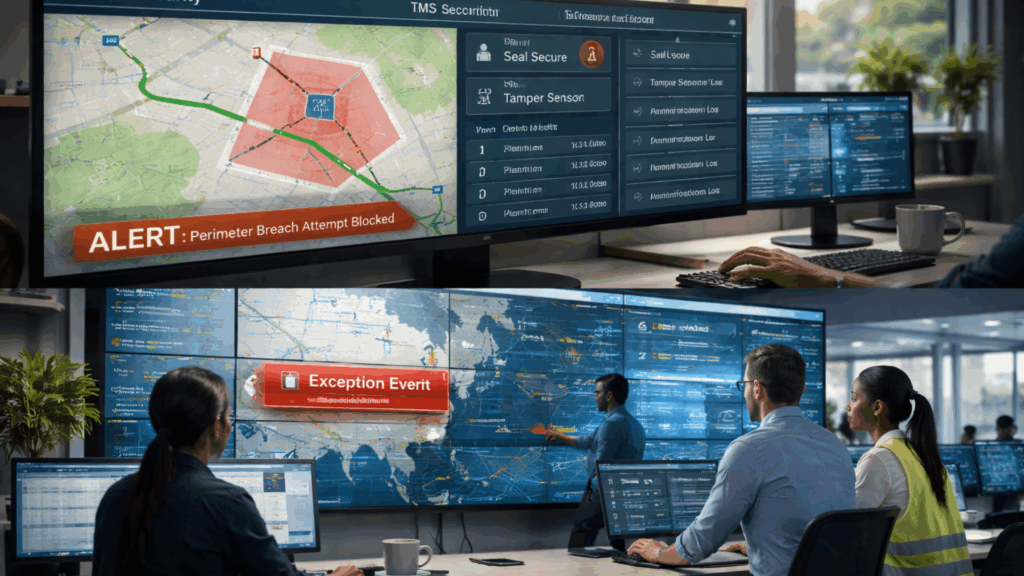
Prevention is the best defense. NICB recommends screening every employee and training them to recognize signs of cargo theft. Carriers should conduct thorough background checks and audit transportation partners to ensure they share your security philosophy. Use freight brokers and carriers that do not permit double brokering, and ensure that only authorized parties can reroute shipments. Additional measures include secure facilities, realtime tracking and geofencing, identity verification and careful route planning.
How Go To Truckers safeguards your shipments
Go To Truckers treats security as a critical component of our service. Our vetting process screens carriers and drivers, while our transportation management system monitors shipments in real time and flags deviations. We partner with law enforcement agencies and industry groups to stay ahead of emerging cargo theft schemes. Identity verification protocols ensure that only authorized drivers pick up your freight. For high-value loads, we design secure routes, avoid high-risk areas and schedule deliveries during safe windows. By combining technology, rigorous carrier selection and collaborative partnerships, Go To Truckers helps you protect your freight and maintain the integrity of your supply chain.
No Comments yet!