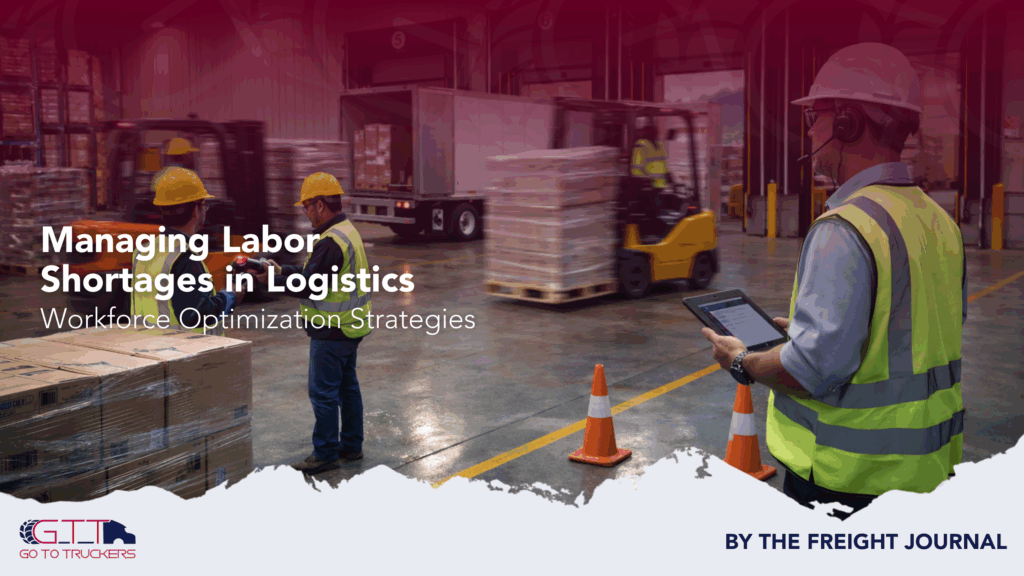
Staffing warehouses and distribution centers has become one of the toughest challenges for logistics managers. According to Prologis, 73% of warehouse operators struggle to source enough labor, and the shortage is aggravated by peak-season surges and the growing complexity of supply chain operations. A related survey by the Council of Supply Chain Management Professionals found that 73% of logistics companies report labor shortages, with 58% saying it significantly impacts operations. These figures underscore why robust labor planning and workforce optimization are more important than ever.
Plan strategically

Effective labor planning ensures the right people are in the right roles at the right times. Prologis notes that poor planning causes bottlenecks, higher costs and missed customer expectations. Managers should begin by forecasting staffing needs using historical order data and predictive analytics. Skill analysis helps identify competency gaps and informs targeted hiring and training programs. Seasonal adaptability—flexing labor plans for promotional periods or unexpected surges—prevents both understaffing and costly overstaffing. Tracking labor cost per unit shipped or labor-to-revenue ratios can reveal whether costs align with operational goals.
Optimize workforce resilience
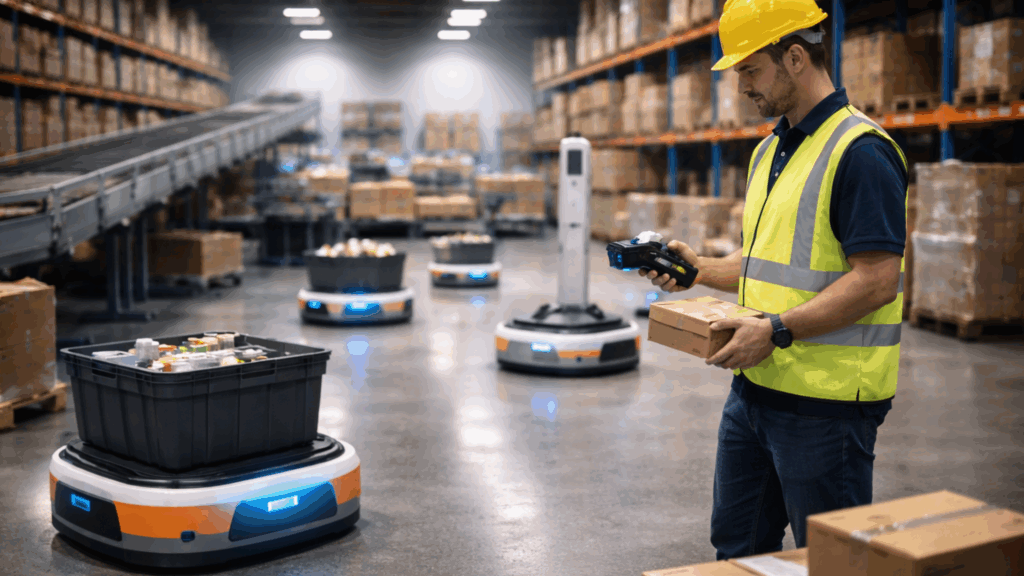
Beyond forecasting, logistics managers should diversify their labor sources. Flexible staffing solutions—parttime, temporary and seasonal workers—help meet demand spikes without adding permanent overhead. Crosstraining employees to perform multiple tasks creates an adaptable workforce that can shift between roles and cover absences. Integrating technology amplifies productivity: autonomous mobile robots (AMRs) can handle repetitive tasks like picking and sorting, while combining labor management and warehouse management systems provides realtime visibility into inventory and labor.
Go To Truckers’ approach
Go To Truckers treats labor planning as a strategic imperative. Our operations teams use demand forecasting and skill analysis to ensure sufficient staffing across warehouses and carriers. We supplement our core workforce with vetted temporary personnel during peak periods, and we cross train our staff to handle multiple functions, reducing the impact of absences and enabling faster response to surges. To enhance productivity, we deploy automation such as warehouse robotics and integrate our labor management tools with our transportation management system for realtime visibility. By combining data driven planning, flexible staffing and technology, Go To Truckers keeps your freight moving efficiently even in a tight labor market.
No Comments yet!