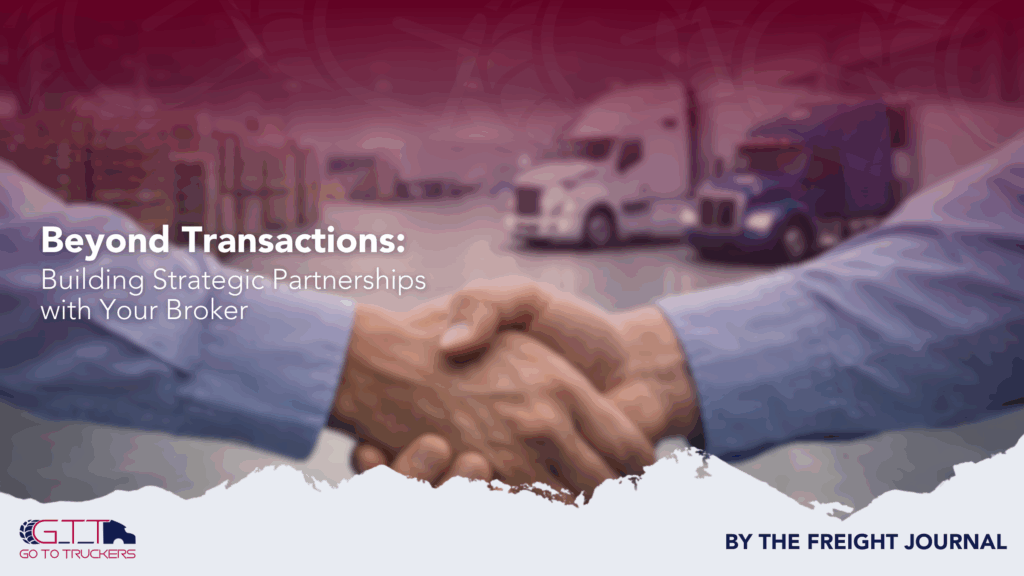
Handshake symbolizing a strategic partnership between a logistics manager and a freight broker, with trucks in the background.

Freight Broker Partnership: Beyond Transactional Shipping

The Evolving Role of the Freight Broker In the complex, fast-paced world of logistics, efficiency and reliability are paramount. For logistics managers, the daily demands of managing supply chains, optimizing routes, and controlling costs are relentless. However, often the relationship with a freight broker is viewed simply as a transactional necessity—a means to move…
Southwest US freight hot spots map showing key routes from California through Arizona to Texas.

Southwest Reefer Freight Hot Spots: What Brokers Are Seeing

Logistics managers know the Southwest US freight hot spots corridor—stretching from Southern California across Arizona and into Texas—is a vital artery for the nation’s supply chain. It’s a dynamic, high-volume region that presents unique challenges and opportunities, particularly when dealing with the demanding world of refrigerated (Reefer) transport. To navigate this complexity effectively and…
US-Mexico tariffs and customs processing at a cross-border truck checkpoint

US-Mexico Tariffs: A Broker’s Guide for Logistics Managers

The logistics landscape between the United States and Mexico is dynamic, shaped by trade agreements, shifting political conditions, and—most importantly—tariffs. For logistics managers running cross-border operations, the goal is clear: stay compliant while protecting cost efficiency. In practice, the difference between smooth freight flow and costly delays often comes down to one thing—strong tariff…
Clipboard listing freight accessorial charges like detention, lumper, liftgate, and TONU, illustrating hidden fees in shipping.

Avoiding Hidden Fees: Understanding and Managing Accessorial Charges in Freight

Freight rates rarely cover every service involved in moving goods. Accessorial charges are extra fees added beyond the base linehaul rate, and they can quickly impact transportation budgets, as outlined in this guide to accessorial charges in freight. These charges pay carriers for services or situations that fall outside a standard pickup or delivery, including scenarios covered…
Refrigerated truck at a cold dock with visible vapor, representing cold chain logistics for food and pharmaceuticals.

Cold Chain Logistics: Safeguarding Food and Pharmaceuticals During Transit

Maintaining product integrity for perishable goods and pharmaceuticals requires more than just fast transit; it demands a seamless cold chain. Cold chain logistics involves temperature controlled storage and transportation to preserve products from origin to consumption. When properly implemented, cold chain systems reduce spoilage, extend shelf life and improve food safety. For food and…