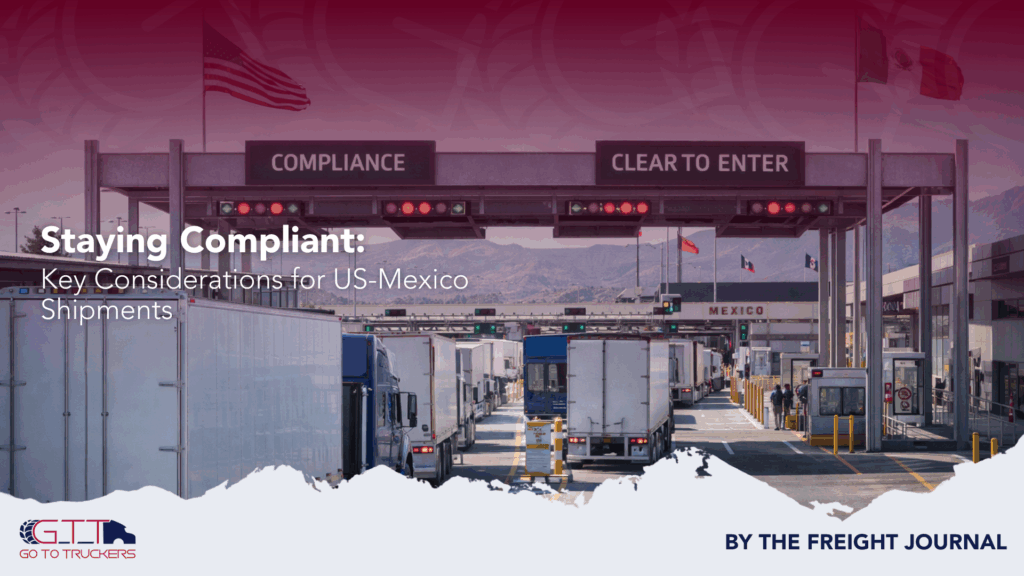
The Complex Landscape of Cross-Border Logistics
Logistics managers overseeing shipments between the U.S. and Mexico face one of the most intricate and dynamic supply chains in the world. The North American trade corridor is characterized by high volumes and sophisticated regulatory environments. Navigating this landscape requires more than just scheduling a truck; it demands an expert understanding of bi-national customs, security protocols, and constantly evolving trade agreements.
While internal logistics teams are adept at domestic operations, the leap into international, cross-border shipping introduces significant risks. The cost of non-compliance—in the form of border delays, steep fines, and cargo seizures—can quickly erode profit margins and damage customer relationships. For this reason, the role of a knowledgeable freight broker is not merely a convenience; it is a critical safeguard for compliance and efficiency.
The Indispensable Role of Freight Brokers
A professional freight broker specializing in US-Mexico trade acts as an extension of a logistics team, providing focused expertise where it is most needed: regulatory adherence. Go To Truckers’ freight brokers are the frontline experts who stay current on the numerous, often subtle, changes in customs law that internal teams, focused on daily operations, may miss.
Here are the key compliance considerations where a specialized freight broker proves invaluable:
1. Customs Documentation and Declarations
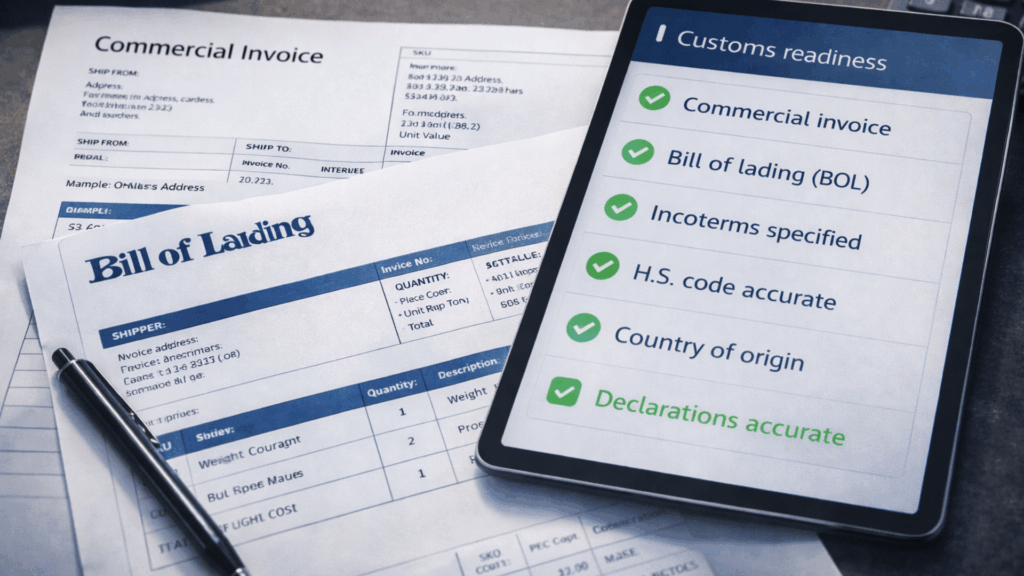
The foundation of compliant cross-border shipping is accurate and complete documentation. Inaccurate paperwork is the primary cause of border delays.
| Document | Importance | Broker’s Role in Compliance |
| Commercial Invoice | Defines cargo value and terms of sale. | Ensures HTS codes and Incoterms are correctly applied, preventing misvaluation and duty errors. |
| Bill of Lading (BOL) | Serves as a contract of carriage and receipt of goods. | Confirms BOL details match the manifest and other customs documents. |
| NAFTA/USMCA Certificate | Certifies origin for preferential tariff treatment. | Vets the certificate for compliance with rules of origin, avoiding penalties for improper duty exemption claims. |
| Poder (Mexican Power of Attorney) | Authorizes the Mexican customs broker to act on the shipper’s behalf. | Facilitates the legal designation and coordination with a certified Mexican customs broker. |
A Go To Truckers’ specialized broker ensures a seamless handover of information to the respective US and Mexican Customs Brokers, a vital step that prevents discrepancies leading to compliance flags.
2. Security Programs and Requirements
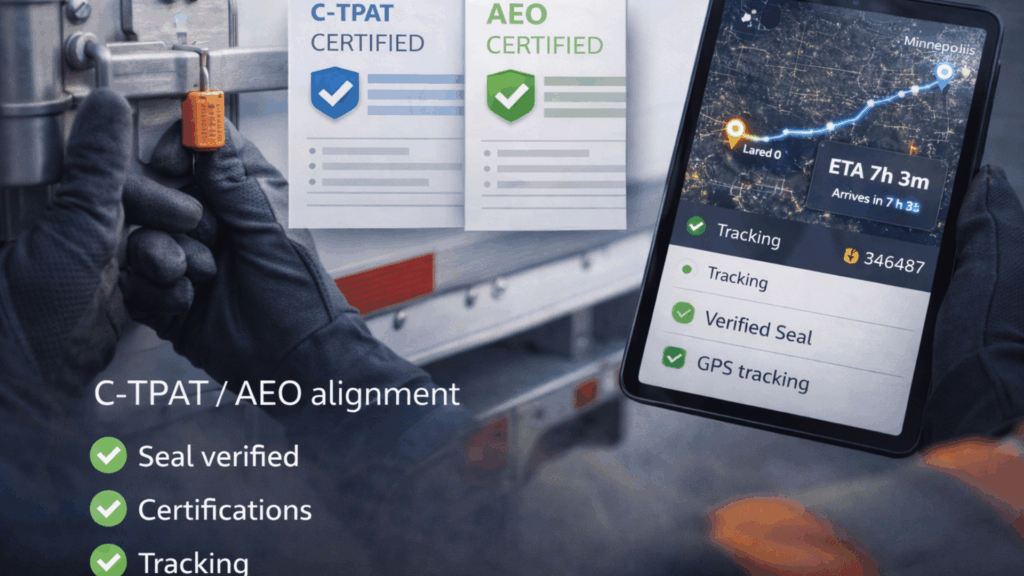
The security of the supply chain is mandated by both governments, most notably through programs like the Customs Trade Partnership Against Terrorism (C-TPAT) in the U.S. and the Authorized Economic Operator (AEO) in Mexico.
Go To Truckers’ freight brokers have established relationships with carriers who maintain high levels of certification in these programs. This not only speeds up border crossings but also demonstrates a commitment to supply chain security, mitigating the risk of cargo being flagged for additional inspection. They manage the vetting process for all third-party carriers, confirming that security seals, driver background checks, and tracking capabilities meet international standards.
3. Understanding Tariff and Non-Tariff Barriers
Beyond the standard duties and tariffs, the Mexican customs system frequently employs Non-Tariff Barriers (NTBs) to regulate specific imports, particularly in sectors like textiles, electronics, and food products. These often require sector-specific import permits or compliance with Official Mexican Standards (NOMs).
Logistics managers must be certain that their shipments comply with these NTBs before the goods arrive at the border. Go To Truckers’ brokers also act as an early warning system, identifying the necessity for specific NOM certifications or permits before the shipment is planned, thereby preventing costly seizures or mandated returns.
4. Managing Cross-Border Modal Shifts
The process of transferring cargo between a U.S. carrier and a Mexican carrier at the border, often referred to as “interlining” or “drayage,” is a regulatory flashpoint.
The broker manages this transition, ensuring the chosen drayage carriers are compliant and insured. They coordinate the precise timing of the drop-off and pickup in the border area (like Laredo or El Paso), minimizing the time cargo sits in a high-risk location and ensuring the integrity of the security measures remains intact throughout the transfer.
The Bottom Line for Logistics Managers
In the high-stakes environment of US-Mexico trade, compliance is not passive; it requires active, up-to-date knowledge. Relying on Go To Truckers’ experienced freight brokers is the most effective way to outsource the administrative burden and the regulatory risk associated with this complex corridor.
Choosing a broker who specializes in this lane—one with deep contacts and a verifiable track record of regulatory compliance—translates directly into lower operational costs, faster transit times, and a resilient, predictable supply chain for the logistics manager. The investment in this expertise is the strongest policy against border-related non-compliance issues.
No Comments yet!