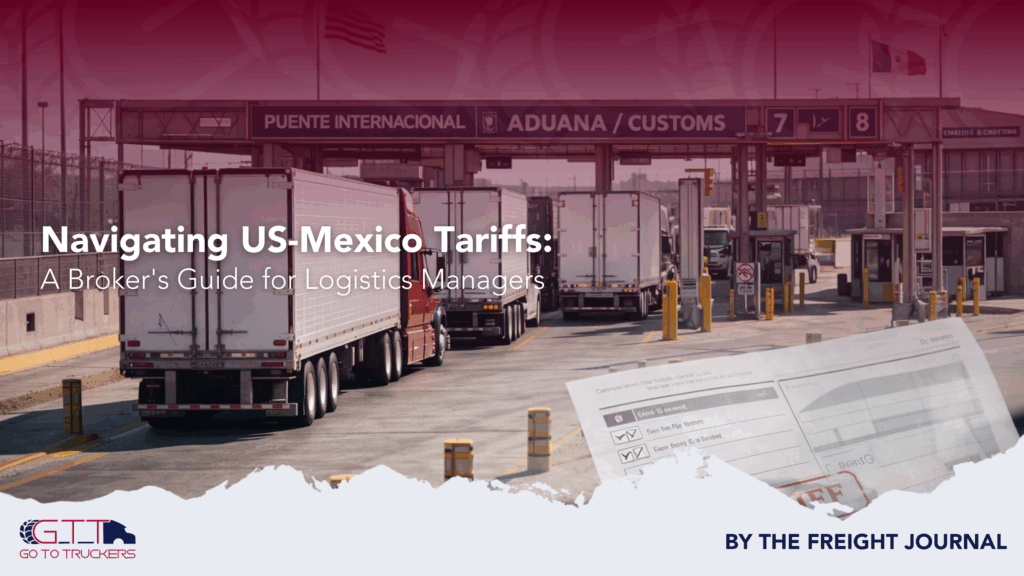
US-Mexico tariffs and customs processing at a cross-border truck checkpoint

US-Mexico Tariffs: A Broker’s Guide for Logistics Managers

The logistics landscape between the United States and Mexico is dynamic, shaped by trade agreements, shifting political conditions, and—most importantly—tariffs. For logistics managers running cross-border operations, the goal is clear: stay compliant while protecting cost efficiency. In practice, the difference between smooth freight flow and costly delays often comes down to one thing—strong tariff…
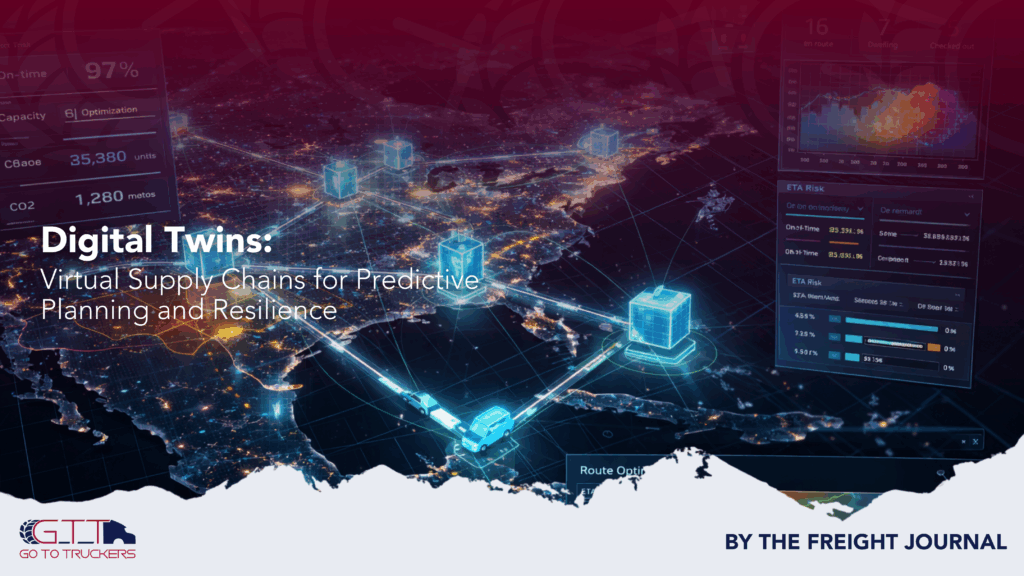
Digital twin supply chain map showing connected warehouses and routes for predictive planning and logistics resilience.

Digital Twins: Virtual Supply Chains for Predictive Planning and Resilience

Digital twins are transforming logistics by creating virtual replicas of real-world supply chains. These models mirror physical systems—warehouses, vehicles, inventory flows—and feed on real-time data from sensors, GPS, and operations. As explained in Inbound Logistics’ breakdown of digital twins in logistics, this technology helps logistics managers visualize, monitor, and simulate operations without disrupting daily business.…
Sustainable freight 2025 with electric and hydrogen trucks at a charging depot.

Sustainable Freight 2025: Alt Fuels, AI & Near-shoring

Sustainable freight 2025 demands lower emissions, smarter tech, and resilient cross-border capacity. Is no longer a marketing buzzword; it has become a critical driver of corporate strategy. In 2025, logistics managers face increasing pressure to reduce emissions, adopt cleaner technologies and mitigate supply chain risks. The industry is seeing rapid progress in supply chain technology—from…
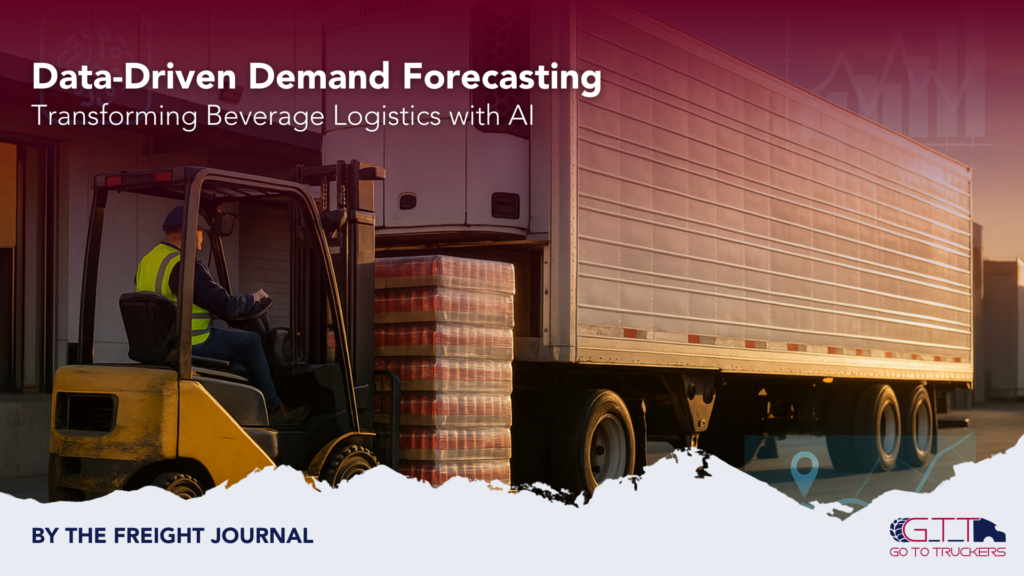
AI demand forecasting in beverage logistics with reefer loading.

Beverage Demand Forecasting with AI: Logistics Gains

Accurate demand forecasting is the cornerstone of efficient logistics. It enables companies to anticipate customer needs, optimize resources and reduce operational costs. According to McKinsey, businesses that use AI for demand forecasting have seen a 20–50 % reduction in inventory costs and a 10–15 % increase in forecasting accuracy. Traditional models based solely on historical data…
Refrigerated freight truck transporting perishable goods like fruits, vegetables, and beverages.

Perishable Goods Logistics: Smart Broker Strategies

Introduction Perishable goods logistics strategies are essential for handling short shelf lives, strict food safety regulations, and unpredictable demand. These shipments require fast, reliable transportation and smart solutions to maintain cold chain compliance. Cold chain requirements add complexity—temperatures must remain within tight tolerances to avoid spoilage and regulatory fines.  As a result, many food and…